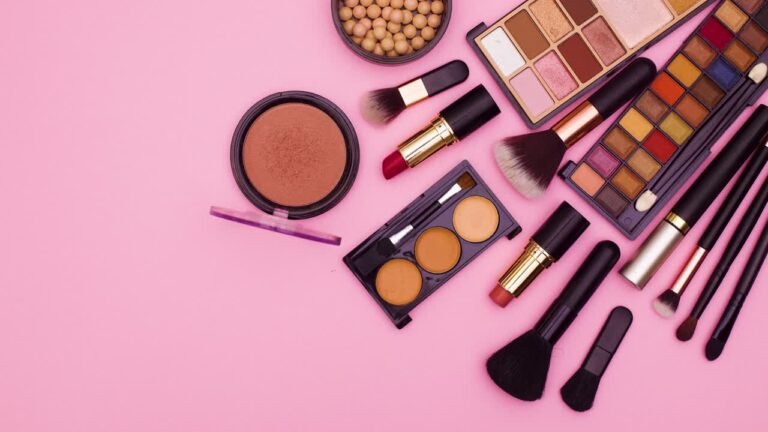

Beauty is not about looking perfect or following every new trend. It is about feeling comfortable in your own skin, taking care of yourself, and finding simple ways to express your personality. A good beauty routine does not need dozens of expensive products. With the right habits, suitable products, and a little consistency, anyone can build a routine that supports healthy-looking skin, well-maintained hair, and a confident appearance.
Today, the beauty industry offers countless options, from skincare essentials and makeup products to hair treatments and natural beauty techniques. While these choices can be exciting, they can also make it difficult to understand what your skin and hair actually need.
The best approach is to focus on healthy habits, simple routines, and products that suit your individual needs. Whether you enjoy a natural everyday look or love experimenting with makeup, this guide covers practical skincare, makeup, and haircare tips to help you feel your best.
Understanding the Basics of Beauty Care

A balanced beauty routine usually includes three important areas. These are skincare, haircare, and makeup. Each area serves a different purpose, yet they work together to support your overall appearance. Consistency matters more than intensity for long-term results. Follow a simple, realistic schedule.
Moreover, each component complements the others by addressing different needs for the skin, hair, and features. A consistent routine helps maintain moisture, texture, and simplicity in daily care. This holistic approach highlights the beauty you present and supports confidence in everyday life.
| Beauty Area | Main Purpose | Essential Habits |
|---|---|---|
| Skincare | Maintain healthy-looking skin | Cleansing, moisturising, sun protection |
| Haircare | Keep hair clean and manageable | Gentle washing, conditioning, careful styling |
| Makeup | Enhance personal style | Suitable products, clean tools, proper removal |
| Self-care | Support overall well-being | Sleep, hydration, balanced nutrition |
Remember that everyone’s skin and hair are different. A product that works well for one person may not suit another.
Additionally, Understanding your own needs is the first step towards a more effective routine.
Skincare Tips for Healthy and Glowing Skin
Generally, healthy-looking skin begins with regular care. Additionally, you do not need a complicated skincare routine to maintain your skin. Moreover, a few basic steps can help keep it clean, comfortable, and protected for beauty.
1. Cleanse Your Face Gently
Cleansing helps remove dirt, excess oil, sweat, and makeup that collect on the skin throughout the day. Choose a gentle cleanser that suits your skin type.
- Dry skin: Consider a gentle, hydrating cleanser.
- Oily skin: A lightweight cleanser may help remove excess oil.
- Sensitive skin: Look for fragrance-free products with mild ingredients.
- Combination skin: Choose a balanced cleanser that does not leave your skin feeling tight.
Avoid washing your face too frequently or scrubbing aggressively, as this can irritate the skin.
2. Moisturize Every Day
Moisturiser helps support the skin barrier and reduce moisture loss. Even oily skin needs hydration, although the preferred texture may be different.
Choose a lightweight gel or lotion if you dislike heavy products. Cream-based moisturizers may feel more comfortable for people with dry skin.
A simple tip: Apply moisturiser after cleansing while your skin is slightly damp. This can help maintain hydration.
3. Never Skip Sunscreen
Sun protection is an important part of daily skincare. Exposure to ultraviolet (UV) radiation can contribute to sunburn, premature skin aging, and skin cancer.
Use a broad-spectrum sunscreen with SPF 30 or higher on exposed skin. Apply it before going outdoors and reapply as directed, especially after swimming, sweating, or spending extended time outside.
Sunscreen should be part of your routine even when the weather is cloudy.
4. Exfoliate Carefully
Exfoliation helps remove dead skin cells from the skin’s surface. However, excessive exfoliation can cause dryness, redness, and irritation.
If you choose to exfoliate, begin with a gentle product and follow its instructions. Avoid combining multiple strong exfoliating products without understanding how they may affect your skin.
Important: Stop using a product if it causes persistent irritation, burning, or discomfort.
Makeup Tips for a Fresh and Natural Look
Makeup is a creative way to express your style. Some people enjoy a simple everyday look, while others prefer bold colours and dramatic finishes. The best makeup routine is one that makes you feel comfortable and confident.
1. Prepare Your Skin Before Makeup
Good makeup application begins with clean, moisturized skin. Use a suitable moisturiser and allow it to absorb before applying foundation or other complexion products.
If you use sunscreen, let it settle according to its instructions before applying makeup.
A smooth, comfortable base can help makeup sit more evenly.
2. Choose the Right Foundation
Foundation helps create a more even-looking complexion. Choose a shade that blends naturally with your skin rather than selecting one that is noticeably lighter or darker.
Consider the finish and coverage you prefer:
- Light coverage: Suitable for a natural everyday appearance.
- Medium coverage: Helps even out the appearance of skin tone.
- Full coverage: Provides a more noticeable makeup finish.
Test foundation in natural lighting when possible, and check how it looks after it has settled.
3. Use Makeup to Highlight Your Features
You do not need to use every makeup product to create an attractive look. A few well-chosen products can be enough.
- Mascara: Helps define the appearance of eyelashes.
- Blush: Adds color to the cheeks.
- Lipstick or lip tint: Completes the look with a preferred shade.
- Eyebrow products: Help define and shape the brows.
- Highlighter: Adds a luminous finish to selected areas.
Experiment with different shades and techniques to discover what you enjoy wearing.
4. Keep Your Makeup Tools Clean
Makeup brushes and sponges can collect product residue, oil, and dirt. Clean them regularly according to their material and the manufacturer’s instructions.
Avoid sharing eye and lip products, especially items that come into direct contact with the skin or mucous membranes.
Healthy makeup habits are just as important as choosing attractive products.
5. Remove Makeup Before Sleeping
Sleeping with makeup on can leave product residue on your skin and may contribute to irritation or clogged pores.
Use a suitable makeup remover or cleansing product to remove makeup gently. Follow with your regular skincare routine.
Haircare Tips for Strong, Smooth and Manageable Hair

Healthy-looking hair requires regular maintenance, but the right routine depends on your hair type, texture, and lifestyle. Straight, wavy, curly, and coily hair may all need different products and styling methods.
1. Choose a Suitable Shampoo
Shampoo helps remove dirt, oil, sweat, and product buildup from the scalp and hair.
Choose a formula that suits your scalp and hair needs. If your scalp becomes oily quickly, you may need to wash more frequently. Dry or textured hair may benefit from less frequent washing, depending on personal needs.
Focus shampoo mainly on the scalp and avoid rough scrubbing along the hair length.
2. Do Not Skip Conditioner
Conditioner helps improve softness, manageability, and smoothness. Apply it mainly to the middle lengths and ends of your hair, unless the product instructions recommend otherwise.
People with fine hair may prefer lightweight conditioners, while dry or curly hair may benefit from richer formulas.
3. Reduce Excessive Heat Styling
Frequent use of straighteners, curling irons, and hot blow dryers can contribute to dryness and breakage.
To protect your hair:
- Use a heat-protectant product before heat styling.
- Choose a moderate temperature.
- Avoid repeatedly styling the same section.
- Allow hair to air-dry when practical.
- Take breaks from heat-based styling.
Reducing unnecessary heat can help maintain your hair’s condition over time.
4. Handle Wet Hair Gently
Wet hair can be more vulnerable to stretching and breakage. Avoid aggressive brushing immediately after washing.
Use a wide-tooth comb or a suitable detangling brush, and work through knots gently. A soft towel or cotton T-shirt can also help reduce rough handling while drying.
5. Maintain a Healthy Scalp
A comfortable scalp is an important part of haircare. Clean it regularly and avoid using products that cause itching or irritation.
Persistent dandruff, scalp inflammation, sudden hair loss, or unusual changes in hair growth may require advice from a dermatologist or qualified healthcare professional.
Beauty Products Worth Including in Your Routine
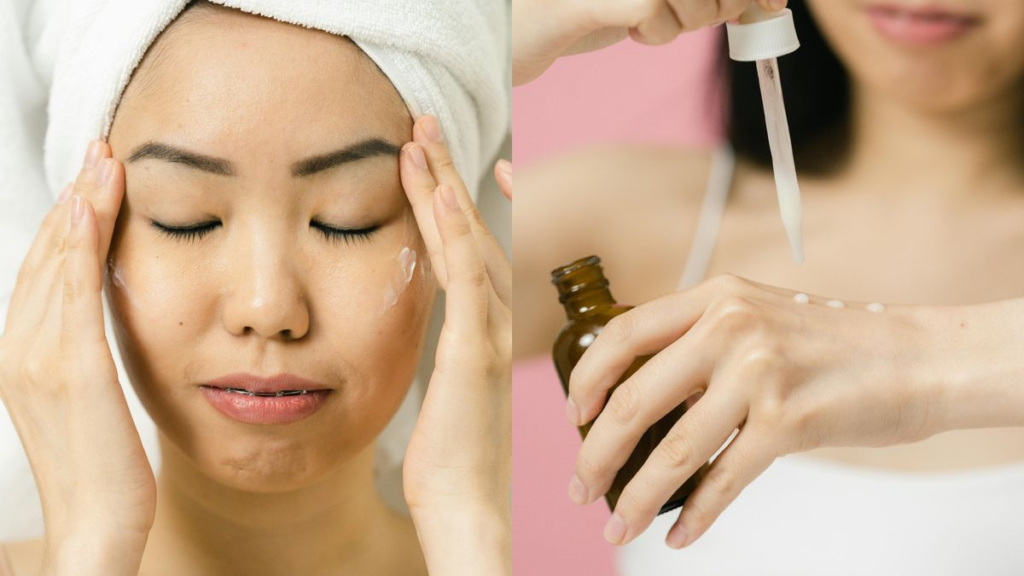
You do not need a large collection of products to take care of your appearance. Start with basic essentials and add products only when they meet a specific need.
| Product | Beauty Benefit | What to Consider |
|---|---|---|
| Gentle cleanser | Removes dirt and excess oil | Skin type and ingredients |
| Moisturiser | Supports skin hydration | Texture and skin comfort |
| Sunscreen | Protects against UV radiation | Broad-spectrum SPF 30 or higher |
| Foundation | Creates an even-looking base | Shade and coverage |
| Lip balm | Helps keep lips comfortable | Ingredients and texture |
| Shampoo | Cleanses the scalp and hair | Scalp needs |
| Conditioner | Improves hair softness | Hair texture and dryness |
| Heat protectant | Helps reduce heat-related damage | Styling needs and instructions |
Smart shopping tip: Check product ingredients, expiry dates, and instructions before purchasing. Expensive products are not automatically better for everyone.
Beauty Habits That Support Your Overall Well-Being
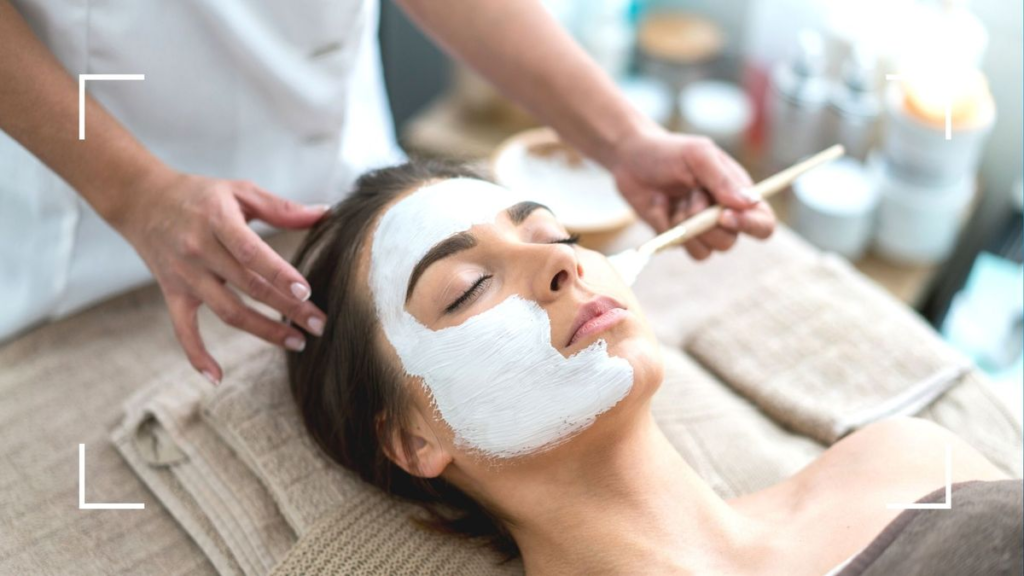
Beauty care is not limited to creams, makeup, or hair products. Everyday habits also influence how you feel and how you look.
1. Stay Hydrated
Drinking enough water supports normal body functions. Your hydration needs may vary depending on weather, activity, and individual health factors.
Make water a regular part of your daily routine rather than relying only on sugary drinks.
2. Eat a Balanced Diet
A balanced diet provides nutrients that support overall health, including normal skin and hair function.
Include a variety of fruits, vegetables, whole grains, protein sources, and healthy fats. Avoid relying on restrictive diets or unverified supplements for beauty results.
3. Get Enough Sleep
Sleep gives your body time to rest and recover. Poor sleep can affect your energy, mood, and overall appearance.
Try to maintain a consistent sleeping schedule and create a relaxing bedtime routine.
4. Manage Everyday Stress
Stress can affect daily habits and may contribute to certain skin or hair concerns. Simple activities such as walking, reading, listening to music, or spending time outdoors can support relaxation.
If stress or a skin or hair concern becomes difficult to manage, consider seeking appropriate professional support.
Common Beauty Mistakes to Avoid
Sometimes, the products and habits we use to improve our appearance can create unnecessary problems. Avoiding common mistakes can make your routine more comfortable and effective.
| Beauty Mistake | Why to Avoid It | Better Habit |
|---|---|---|
| Skipping sunscreen | Leaves skin exposed to UV radiation | Apply sunscreen regularly |
| Over-exfoliating | Can irritate the skin barrier | Exfoliate gently |
| Using unsuitable products | May cause discomfort or irritation | Choose products for your needs |
| Sleeping with makeup | Leaves makeup residue on the skin | Remove makeup before bed |
| Excessive heat styling | Can contribute to hair damage | Reduce heat and use protection |
| Ignoring product expiry dates | Old products may become unsuitable | Check labels and replace products |
A beauty routine should support your skin and hair, not create extra problems. If a product causes a reaction, stop using it and seek medical advice if symptoms persist or become severe.
How to Build a Simple Daily Beauty Routine

A routine becomes easier to maintain when it fits naturally into your day. You can start with a few essential steps and adjust them as your needs change.
Morning routine:
- Cleanse your face gently.
- Apply a suitable moisturiser.
- Use broad-spectrum sunscreen.
- Style your hair gently.
- Apply makeup if you enjoy wearing it.
Evening routine:
- Remove makeup and sunscreen.
- Cleanse your face.
- Apply moisturiser.
- Brush or detangle your hair gently.
- Give yourself time to relax before sleeping.
You can add treatments or specialized products when needed, but avoid introducing several new active skincare products at the same time.
Frequently Asked Questions
1. What is the best basic skincare routine?
A simple routine includes a gentle cleanser, moisturiser, and broad-spectrum sunscreen during the day. At night, cleanse your face and apply moisturiser.
2. How can I keep my hair healthy?
Use suitable shampoo and conditioner, reduce excessive heat styling, detangle gently, and maintain a balanced diet. Choose products according to your hair and scalp needs.
3. How do I choose makeup for everyday use?
Choose comfortable products that suit your skin type and preferred style. A light foundation or tinted product, mascara, blush, and lip color can create a simple everyday look.
4. Is sunscreen necessary every day?
Regular sun protection is important because UV exposure can occur even when the weather is cloudy. Choose broad-spectrum SPF 30 or higher and reapply as directed.
5. How can I build a beauty routine on a budget?
Start with essential products such as cleanser, moisturiser, sunscreen, shampoo, and conditioner. Compare ingredients and prices, avoid unnecessary purchases, and add products only when you need them.