

Every day brings new tasks, decisions and challenges. From managing household responsibilities and organising work to learning new skills and making smarter choices, having the right information can make life much easier. Sometimes, even a small piece of practical advice can save time, reduce stress and help us handle a situation with greater confidence.
This is where helpful guides become valuable. A good guide explains information in a simple, organised and practical way. It takes a topic that may seem confusing and breaks it into smaller steps that anyone can understand and follow.
Today, people search online for guidance on almost everything, including technology, education, travel, personal finance, home improvement, health and everyday activities. However, finding reliable information is just as important as finding quick answers.
In this article, we explore how everyday guides can help you learn useful skills, solve common problems, improve productivity and make informed decisions.
What Are Everyday Guides?
Everyday guides are informative resources that explain how to complete tasks, understand topics or solve common problems. They provide clear instructions, practical suggestions and useful information that readers can apply in real situations.
Unlike complicated explanations, a well-written guide focuses on making information easy to follow. It may include step-by-step instructions, examples, checklists, tables and important reminders.
For example, someone who wants to organise a small home office may look for a guide covering workspace planning, storage ideas, lighting and budgeting. Similarly, a student preparing for an examination may need a study guide explaining how to create a timetable and revise effectively.
The main purpose of a guide is to turn information into something useful and actionable.
Why Are Guides Important in Daily Life?
Modern life involves many responsibilities, and people often need quick, understandable information to make decisions. Guides help organise that information so readers can approach tasks with greater confidence.
Some important benefits include:
- Saving time: Step-by-step instructions reduce the need to search through multiple sources.
- Improving knowledge: Guides introduce readers to useful concepts and practical skills.
- Building confidence: Clear explanations make unfamiliar tasks easier to approach.
- Reducing mistakes: Important instructions and precautions help readers avoid common problems.
- Supporting better decisions: Comparisons and examples help readers understand their options.
- Encouraging independence: People can learn to complete many tasks without depending entirely on others.
For instance, a basic budgeting guide can help someone understand monthly expenses, while a technology guide can explain how to use a new application.
Good guidance does not simply provide an answer; it helps people understand why a particular approach works.
Different Types of Guides You Can Explore
Guides cover a wide range of subjects. The most useful type depends on what you want to learn or accomplish.
| Guide Category | What You Can Learn |
|---|---|
| Technology Guides | Software, applications, devices and digital tools |
| Education Guides | Study methods, learning resources and academic skills |
| Career Guides | Job applications, interviews and professional development |
| Finance Guides | Budgeting, saving and basic money management |
| Travel Guides | Destinations, planning, packing and travel preparation |
| Home Guides | Cleaning, organisation, maintenance and decoration |
| Lifestyle Guides | Productivity, routines and personal development |
| Business Guides | Planning, marketing, customer service and operations |
| Shopping Guides | Product comparisons, buying tips and value for money |
| Digital Safety Guides | Online privacy, account security and scam awareness |
Exploring different types of guides can help you develop knowledge across several areas of life.
Technology Guides: Make Digital Tasks Easier

Technology has become an important part of everyday routines. People use smartphones, laptops, applications and online services for communication, education, shopping, entertainment and work.
However, not everyone finds new technology easy to understand. Technology guides make digital tasks more approachable by explaining features and processes in simple language.
Useful technology topics include:
- Smartphone basics: Learn how to manage settings, storage, notifications and applications.
- Computer skills: Understand file management, keyboard shortcuts and basic troubleshooting.
- Software tutorials: Learn how to use productivity tools, editing software and other applications.
- Online safety: Understand strong passwords, two-factor authentication and privacy settings.
- Digital organisation: Keep documents, emails and files organised.
Before following a technology guide, check whether its instructions match your device, software version and operating system. Using accurate and updated instructions can prevent confusion and unnecessary changes to your settings.
Education and Learning Guides
Learning does not stop after school or college. People continue developing their knowledge throughout their lives, whether for professional growth, personal interests or everyday needs.
Education guides provide structured support for students, teachers and independent learners. They can explain difficult topics, suggest learning techniques and help readers organise their study routines.
Some practical learning strategies include:
- Create a study schedule: Divide subjects into manageable sessions.
- Set clear goals: Decide what you want to complete during each study period.
- Use active recall: Test your understanding instead of only rereading notes.
- Take regular breaks: Short breaks can help maintain concentration.
- Review regularly: Revisit important topics to strengthen your understanding.
- Practise with examples: Apply concepts through exercises and real-world situations.
A good study guide should match the learner’s level and subject. It should also encourage understanding rather than relying only on memorisation.
Career Guides: Build Skills for Professional Growth
Finding a job, preparing for an interview or planning a career change can feel challenging. Career guides help people understand the process and prepare more effectively.
They can cover topics such as writing a professional résumé, creating a portfolio, improving communication skills and preparing for interviews.
Useful career development tips include:
- Identify your strengths: Understand the skills and experience you already have.
- Improve relevant skills: Learn tools and techniques related to your chosen field.
- Prepare your résumé: Highlight achievements, responsibilities and relevant qualifications.
- Practise interviews: Prepare clear examples that demonstrate your abilities.
- Build professional connections: Connect with people in your industry through suitable networking opportunities.
- Keep learning: Follow industry developments and explore new learning opportunities.
Career guidance should be treated as a starting point. Job requirements differ between employers, industries and locations, so always review the specific requirements before applying.
Personal Finance Guides for Smarter Money Management
Managing money is an important everyday skill. Whether you receive a regular salary, run a small business or manage household expenses, understanding basic financial habits can help you plan more effectively.
A personal finance guide can introduce concepts such as budgeting, saving, tracking expenses and setting financial goals.
| Financial Habit | How It Helps |
|---|---|
| Monthly budgeting | Shows where your money is going |
| Expense tracking | Helps identify unnecessary spending |
| Emergency savings | Prepares you for unexpected expenses |
| Goal setting | Gives your saving plans a clear purpose |
| Bill planning | Helps manage regular payments on time |
| Financial learning | Improves understanding of money-related decisions |
One simple way to begin is by listing your monthly income and essential expenses. Then identify flexible spending areas and decide how much you can reasonably save.
Remember: Financial guides provide general educational information. Investment, tax, insurance and borrowing decisions may require advice based on your personal circumstances and local regulations.
Home and Lifestyle Guides for Better Organisation

A comfortable and organised home can make everyday routines easier. However, maintaining a home involves several responsibilities, from cleaning and storage to repairs and household planning.
Home guides provide practical ideas for handling these activities without making them unnecessarily complicated.
For example, you can:
- Create a weekly cleaning schedule.
- Organise cupboards according to how frequently items are used.
- Keep important documents in a secure place.
- Prepare a basic household maintenance checklist.
- Plan shopping lists before visiting stores.
- Use storage solutions to reduce clutter.
Lifestyle guides can also help people build healthier routines, manage their time and balance personal responsibilities.
The key is to choose suggestions that fit your available time, budget and living situation. A simple routine that you can maintain is often more useful than an ambitious plan that becomes difficult to follow.
Travel Guides: Plan Your Trips with Confidence
Travelling can be exciting, but proper planning helps avoid unnecessary stress. A travel guide brings important information together so visitors can prepare before leaving home.
A useful travel guide may include destination information, transportation options, accommodation considerations, local customs, weather conditions and safety advice.
Before travelling, consider these important steps:
- Research your destination: Learn about local attractions, transport and travel conditions.
- Check documents: Review passport, visa and identification requirements where applicable.
- Plan your budget: Estimate transportation, accommodation, food and activity expenses.
- Pack thoughtfully: Prepare clothing, medicines and essential items according to your destination.
- Understand local customs: Respect cultural practices and local regulations.
- Keep important details accessible: Save accommodation information and emergency contacts securely.
Travel requirements can change, so check official government and transport sources before making final arrangements.
How to Identify a Reliable Guide

The internet provides access to thousands of guides, but not all information is accurate or suitable for every situation. Some articles may be outdated, incomplete or based on personal opinions rather than verified information.
Before following a guide, look for these qualities:
| What to Check | Why It Matters |
|---|---|
| Author or organisation | Helps identify who created the information |
| Publication date | Shows whether the guidance may need updating |
| Reliable references | Helps verify important claims |
| Clear instructions | Makes the process easier to understand |
| Relevant examples | Shows how information applies in real situations |
| Safety information | Highlights important risks and precautions |
| Updates and corrections | Indicates whether the content is maintained |
Be especially careful with guides involving health, legal matters, financial decisions and personal safety. For these topics, use recognised professional or official sources rather than relying on a single online article.
How to Create Your Own Useful Guide
Creating a guide is a practical way to organise knowledge and help other people. You do not need to be an expert in every subject, but you should research your topic carefully and explain what you know accurately.
Follow these steps to create a helpful guide:
- Choose a clear topic: Focus on one specific question or task.
- Understand your audience: Consider what readers already know and what they need to learn.
- Research carefully: Use trustworthy sources and check important details.
- Organise the information: Arrange instructions in a logical order.
- Use simple language: Avoid unnecessary technical terms and complicated sentences.
- Add examples: Show readers how the information works in practice.
- Include important reminders: Highlight mistakes, risks and useful tips.
- Review the content: Check spelling, accuracy and whether every step is understandable.
A guide should answer the reader’s main question without making the process more complicated than necessary.
Common Mistakes to Avoid When Following Guides
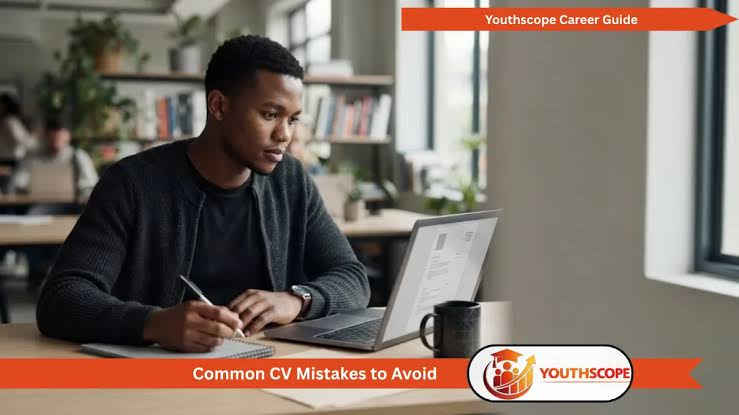
Even useful guides may not work perfectly if they are followed without considering the situation. Readers should understand the instructions rather than applying every suggestion automatically.
Here are some common mistakes to avoid:
- Ignoring publication dates: Older instructions may no longer be relevant.
- Skipping important steps: Missing a step can affect the final result.
- Following unverified advice: Always check important claims through reliable sources.
- Ignoring personal requirements: A method suitable for one person may not suit another.
- Overlooking safety warnings: Never ignore precautions, especially when using equipment or handling sensitive information.
- Expecting instant results: Some skills and improvements require regular practice.
The best way to use a guide is to understand its purpose, check whether it applies to your situation and follow the instructions carefully.
The Future of Online Guides
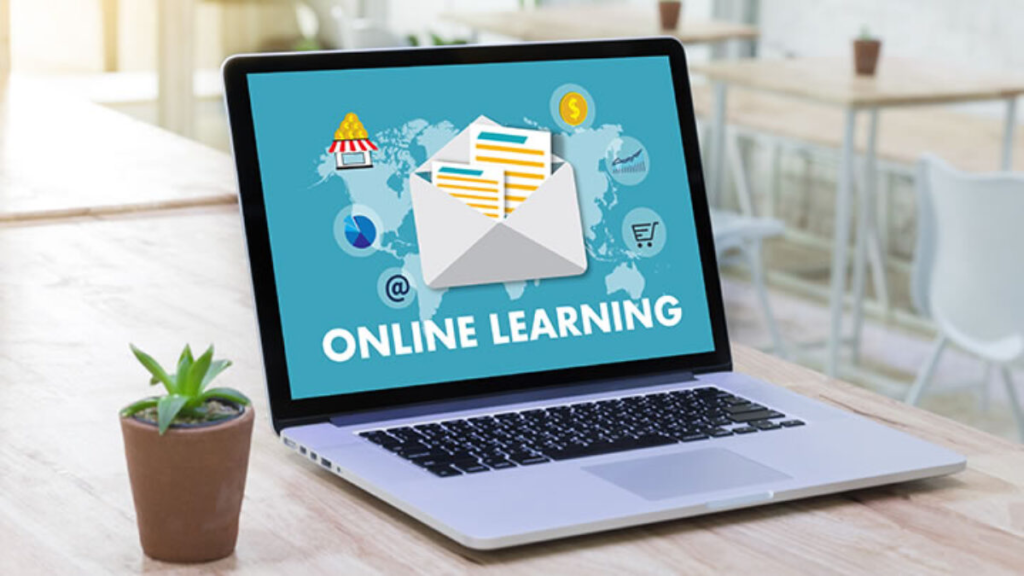
Online guides are becoming more interactive and accessible. Video tutorials, visual instructions, online courses and AI-powered tools are changing how people learn and solve problems.
Readers can now explore a topic through written explanations, demonstrations, downloadable checklists and interactive learning experiences.
Artificial intelligence may also help people find information, simplify complex topics and organise learning plans. However, AI-generated answers should still be checked for accuracy, especially when the subject involves important decisions.
In the future, useful guides are likely to combine clear writing, practical demonstrations, reliable references and personalised learning experiences.
Regardless of the format, the most valuable guides will continue to focus on helping people understand information and apply it confidently.
Frequently Asked Questions
1. What is the purpose of an everyday guide?
An everyday guide explains how to complete tasks, understand topics or solve common problems through clear instructions and practical advice.
2. What types of guides are useful in daily life?
Technology, education, career, finance, travel, home organisation and lifestyle guides are useful for many everyday needs.
3. How can I find reliable online guides?
Check the author’s background, publication date, references and whether the information comes from trustworthy sources.
4. Are online guides suitable for beginners?
Yes. Many guides are designed for beginners and explain topics through simple language, examples and step-by-step instructions.
5. Can guides help improve personal skills?
Yes. Learning guides can help people develop communication, organisation, digital, financial and problem-solving skills.
